Korean Address in English - Why the Order Is Reversed
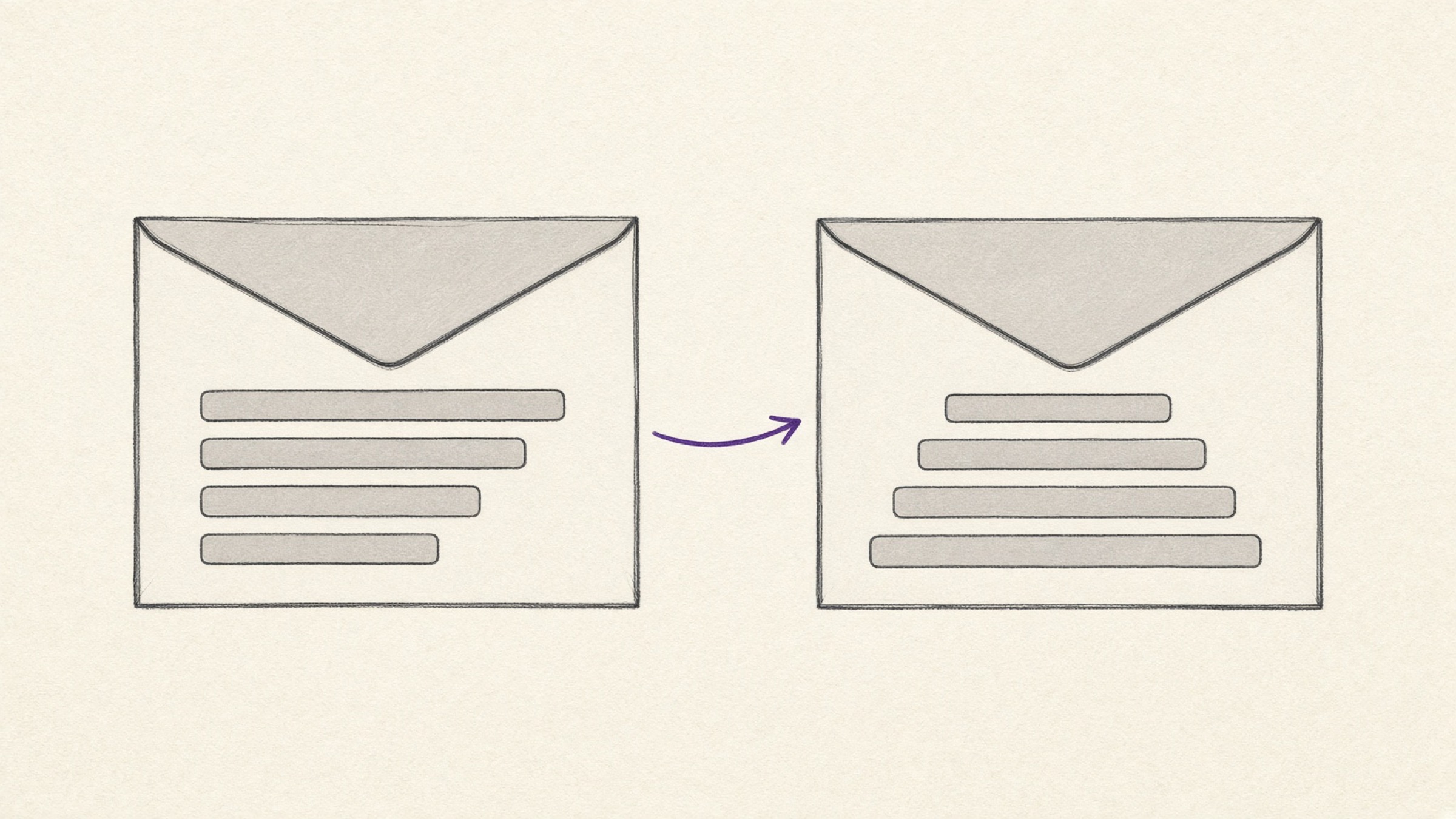
Writing out a Korean address in English for the first time tends to stop people in exactly the same place. Name and card number go in without a second thought, and then the cursor just blinks in the address field.
Transferring your own home address letter by letter, it is suddenly unclear where to begin, and the fear that a mistake means the parcel never arrives keeps your hands off the keyboard.
The thing is, what blocks you is usually not the spelling. It is the order. Once you know the direction is reversed, the rest is closer to filling in blanks.
- The sequence the address elements have to be laid out in.
- A way to decide between the road name and the lot number.
- The right field for the apartment unit and the postal code.
Q. What order do you write a Korean address in English?
A Korean address in English starts with the smallest unit and finishes with the largest. Take the sequence you use every day and stand it on its head.
A Korean address opens with the province or metropolitan city, moves through the city or district, then the road name and building number, and narrows down to the building and unit.
A Korean address in English runs the other way, beginning with the unit and ending with the country. The people handling the mail read from the narrowest scope outward.
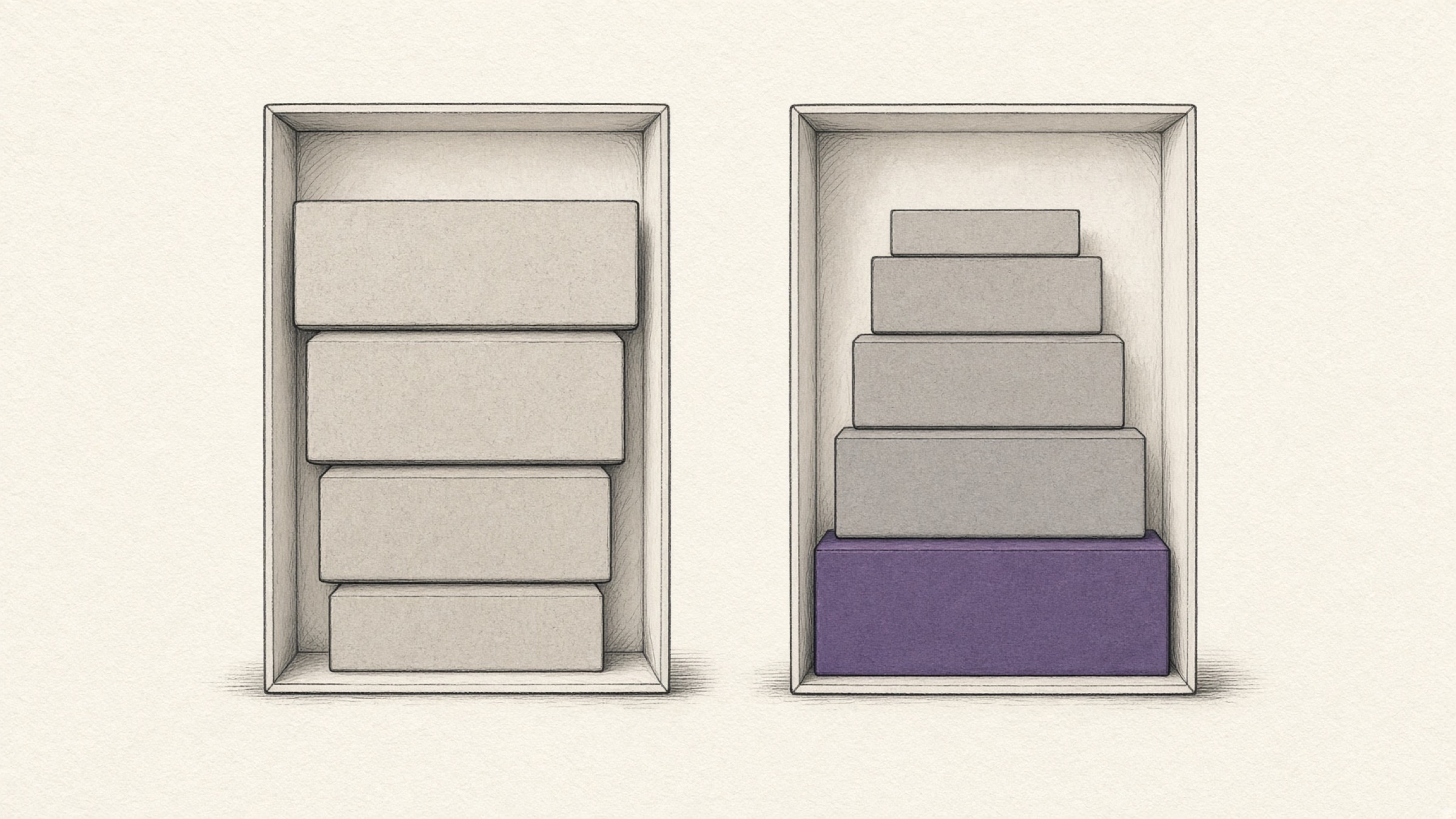
Laid out as a table, the sequence looks like this. Skip any line that does not apply to you, and separate each element with a comma.
| Order | What goes in it |
|---|---|
| 1 | Unit details: apartment building and unit number, floor, office number |
| 2 | Building number and road name (the number comes before the road name) |
| 3 | City, county or district |
| 4 | Province or metropolitan city |
| 5 | Postal code (five digits) |
| 6 | Country: Republic of Korea |
There is one spot that catches people out. The building number goes before the road name. Korean writes the road name first and hangs the number off the end; in English the number leads.
Q. Road name address or lot number address?
Use the road name address. It is the legal addressing system in Korea today, and the official English rendering is built from it.
The lot number address, the older system, is still in use, but its job is different. It identifies land for property registration and similar purposes, so a Korean address in English transcribed straight from a lot number may be something the receiving system cannot interpret.
To work out which of the two you are looking at, check whether a street name sits in front of the number. A name followed by a number, in the pattern of "-ro 152" or "-gil 7", is a road name address. A number attached directly after a neighbourhood name is a lot number.
Q. Where do the apartment building and unit go?
They are the smallest unit, so they lead. If the form splits into Address Line 1 and Line 2, putting the building and unit number on Line 1 and the building number with the road name on Line 2 reads most clearly.
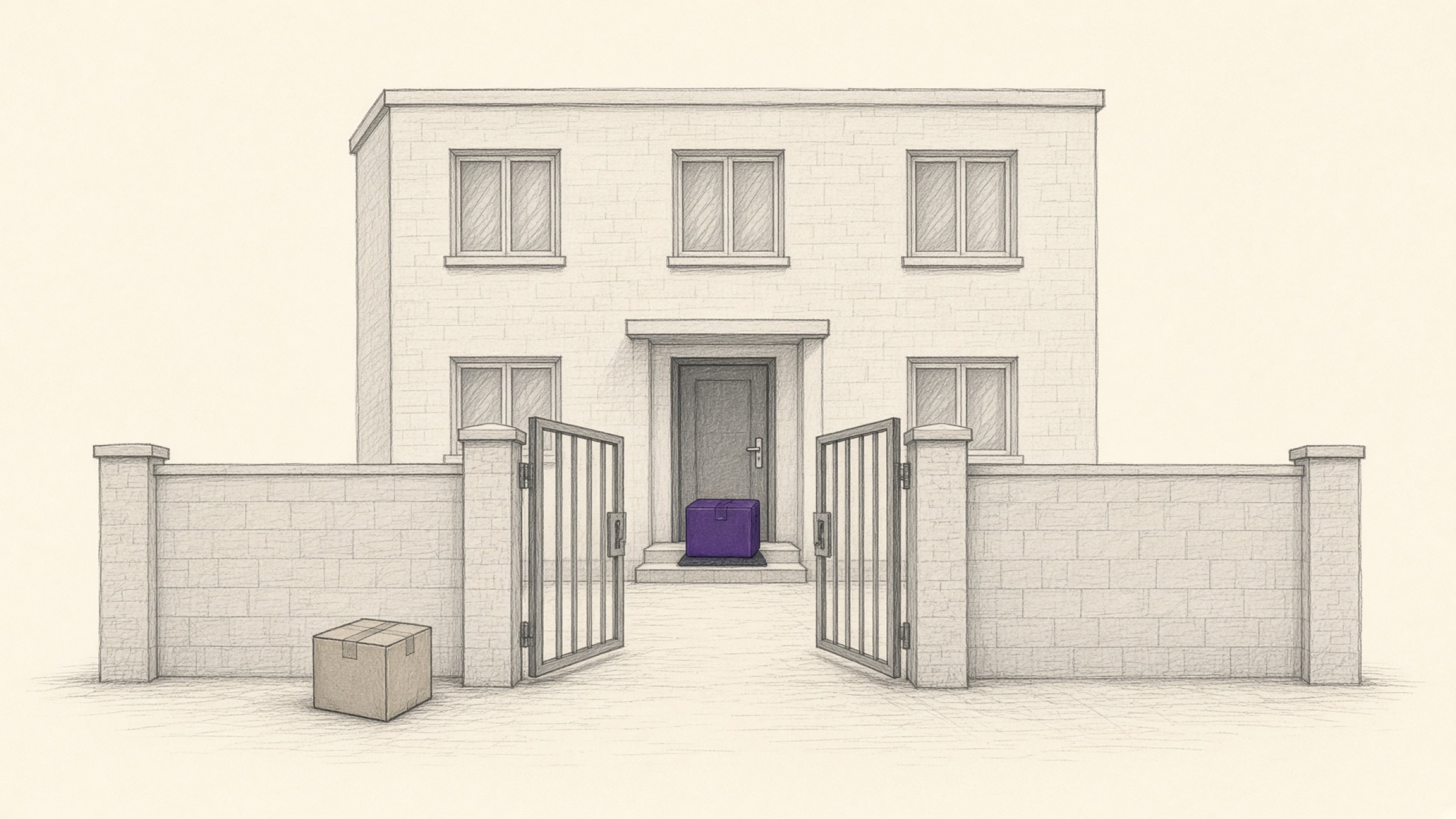
What matters more is not dropping them. When an apartment or officetel address is missing its unit detail, parcels routinely stop at the complex gate or the management office. However cramped the field looks, keep the building and unit in.
Floor and office numbers belong in the same slot. In a commercial building it is safer to give both the floor and the room number.
Q. Where does the Korean postal code go?
After the province or metropolitan city, before the country. Korean postal codes are five digits.
A form with its own ZIP code or Postal code field changes things. In that case put it in that field only and leave it out of the address lines. The same value in two places can throw the lines out of alignment when the label is printed.
Q. Can I romanize the road name myself?
Better not to. Romanization follows the sound rather than the letters, and once liaison and consonant assimilation get involved, writing it by hand produces a different spelling from person to person.
When two people write the same road name and end up with two spellings, the receiving end has room to read it as somewhere else entirely. So road names and administrative divisions are not something to invent: the rule is to copy the rendering from the official lookup result exactly as it appears.
Q. So how do you actually build one?
Searching the Korean address and taking the official rendering back is quickest. Put the Korean address you normally use into the address converter and it returns the rendering for the road name, district and province along with the postal code.
What comes back is a Korean address in English assembled in the right order, ready to copy as a single line.
Enter the building and unit separately and it previews the rendering live. If any Korean characters are left unconverted, it flags them. No install, no sign-up: it all happens in the browser.
Search the Korean address
Road name or lot number, put in whichever Korean address you normally use and search. If several candidates come back, pick yours from the list.
Add the building and unit
For an apartment, enter the unit details. Korean input is fine, the rendering previews immediately, and anything left unconverted is pointed out.
Copy the line
Copy the assembled result and paste it into the form. If the form is split into fields, break it up using the layout described above.
Q. How far can I use this rendering as is?
For a delivery address or a business card, where the point is simply that the reader can find you, using it as is causes no trouble. It matches the official data, so there is little room for a dispute over spelling.
Paperwork that gets assessed, such as visa, study or financial applications, has one more step. Institutions can differ slightly in the rendering they ask for, so it is safer to check that institution's guidance once before you submit.
Such applications usually ask for several supporting documents in one file as well. When they are scattered as separate scans, merge PDF puts them together in the order the institution lists.
- Overseas shopping: is the unit number or the postal code missing?
- Business cards and email signatures: does it go down to the office floor and room?
- Visa and study paperwork: does the institution have its own spelling standard?
- Overseas payments: does the spelling match the billing address on the card?
References
- Road Name Address Act (Korea): the legal basis for the current statutory address system. Korean Law Information Center
- Ministry of the Interior and Safety, Road Name Address guidance system (juso.go.kr): address search and English rendering
- National Institute of Korean Language, Romanization of Korean